Timber where you see it. Aluminium where the weather is.
Solid oak interior, extruded aluminium exterior. You keep the warmth and grain a period interior needs; the outside gets a powder-coated finish that will not rot, warp or need redecorating.

Home / Sash Windows
Made to measure for Georgian, Victorian and Edwardian properties. The authentic sash profile outside, a solid oak interior within — and no repainting, ever.
Manufactured in Yantai, China · OEM / private-label supply for UK trade · Made-to-measure, not made-to-stock
The traditional sash window has one flaw that has nothing to do with how it looks: exposed timber, repainted every three to five years, and rotting from the sill up where British weather reaches it first.
Our vertical sliding sash windows separate those two jobs. The interior is solid oak — kiln-dried, machined and finished exactly like joinery, because that is what you see and touch from inside the room. The exterior is extruded aluminium, powder-coated, because that is what forty years of rain, wind and UV actually attacks.
The result is a sash window with the proportions, sightlines and detailing a period property expects, and an exterior that never needs sanding, filling or repainting. Each window is built to your opening dimensions rather than cut down from a stock size, so reveals, weights and meeting-rail heights are set for the building rather than the nearest available frame.
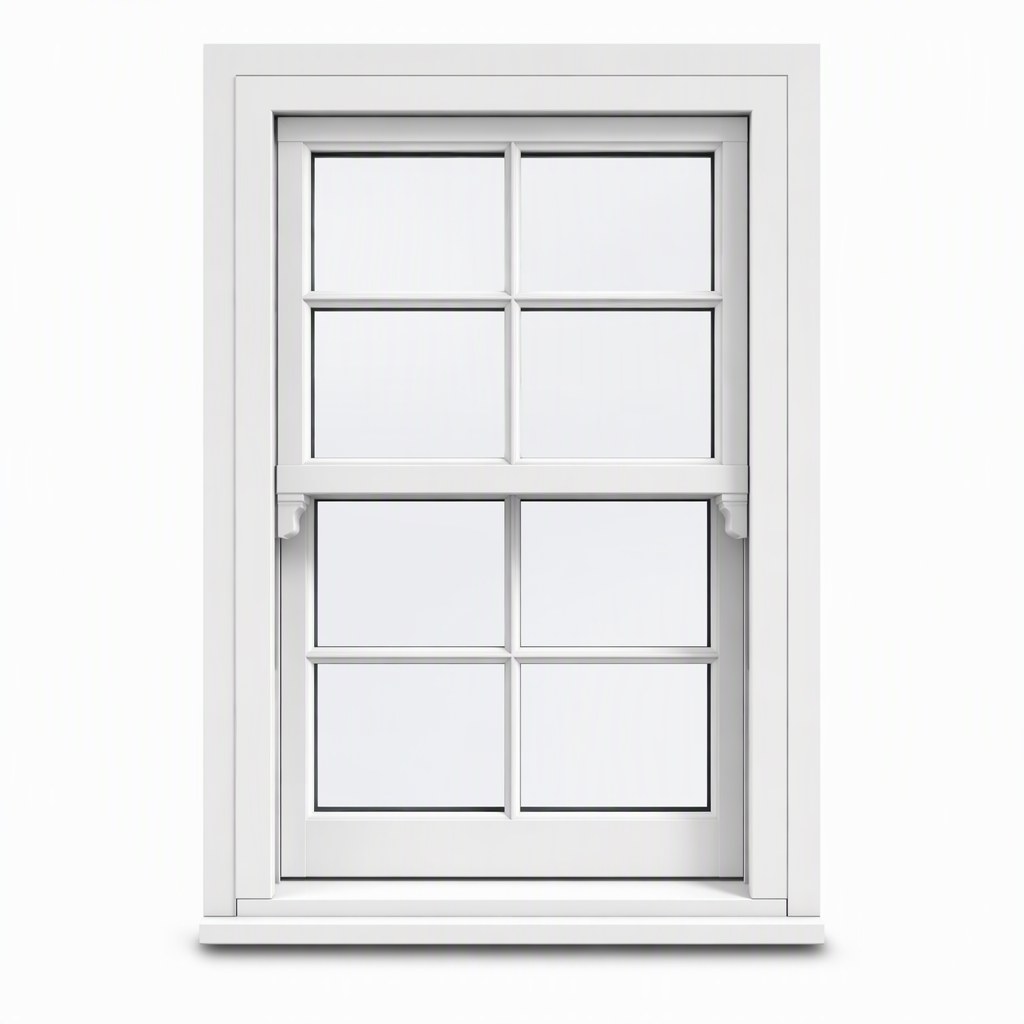
A sash window has two faces doing two different jobs. The build treats them that way.
Solid oak interior, extruded aluminium exterior. You keep the warmth and grain a period interior needs; the outside gets a powder-coated finish that will not rot, warp or need redecorating.
Every timber beam is finger-jointed, de-resined and kiln-dried for 45 days to a moisture content of 8–12% before it is machined. It is then finished with five coats of German water-based lacquer (zero VOC). Sash windows move; the point of that process is that they move predictably.
Spiral-balance and spring-balance mechanisms are field-replaceable components that a fitter can change without removing the frame — unlike the cords, weights and pulleys in a traditional box sash. For a trade installer, that difference shows up in the callback rate, not the spec sheet.
Mechanism type and source — pending factory confirmation.
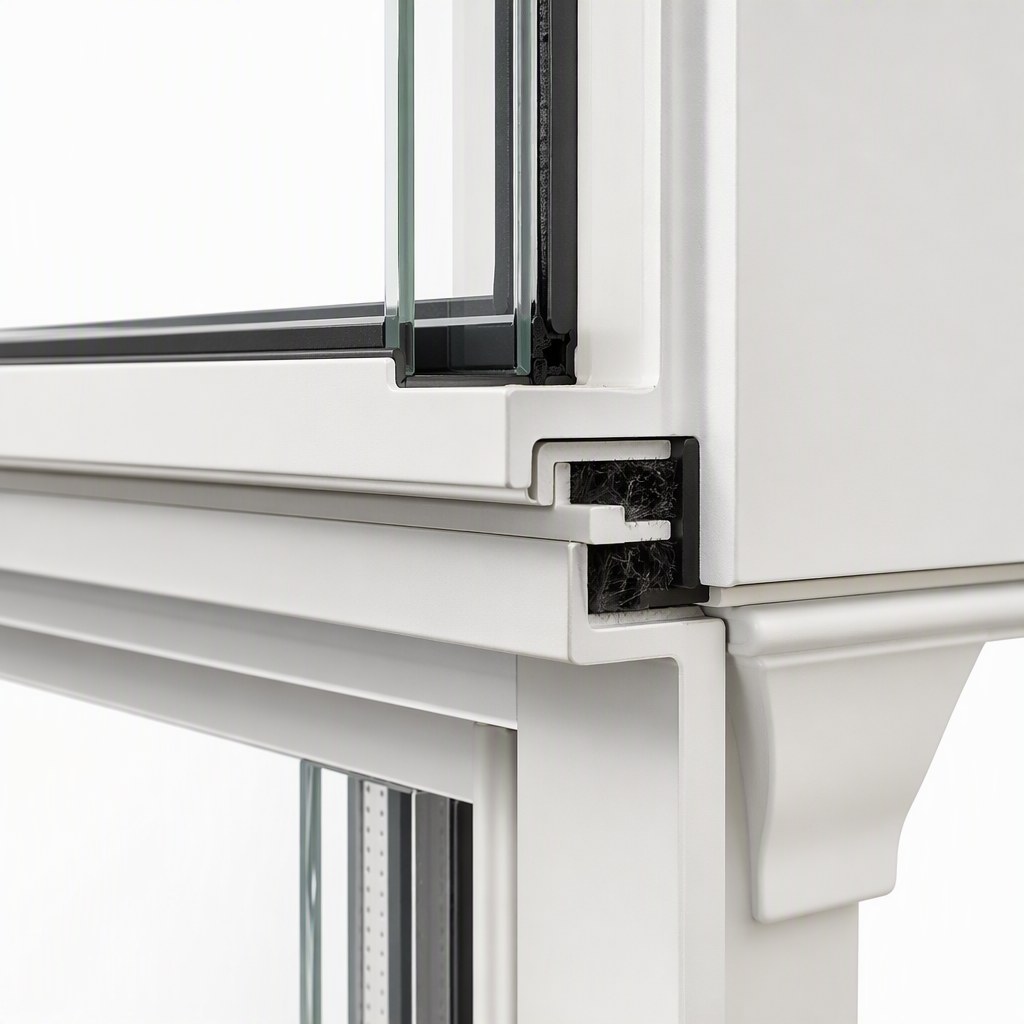
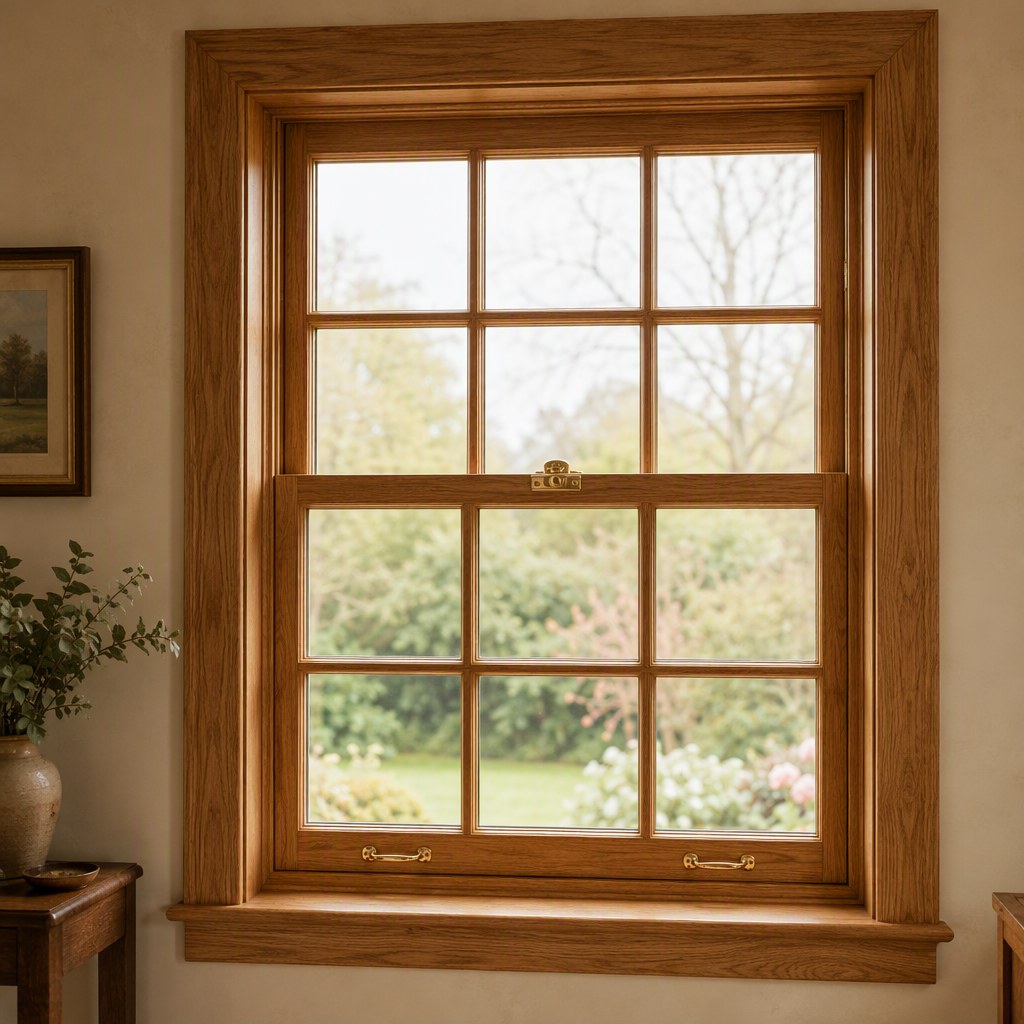
The timber-and-aluminium build is the same system we use on our aluminium-clad wood windows. If you are weighing the two, aluminium-clad wood vs all-aluminium sets out where each one wins.
Meeting-rail height, glazing-bar layout, sash-horn detail and frame depth all get specified on the drawing rather than defaulted to a stock profile. That matters most in conservation areas and Article 4 directions, where matching the existing elevation is a planning condition rather than a preference.
Glazing-bar patterns currently available — pending factory confirmation.
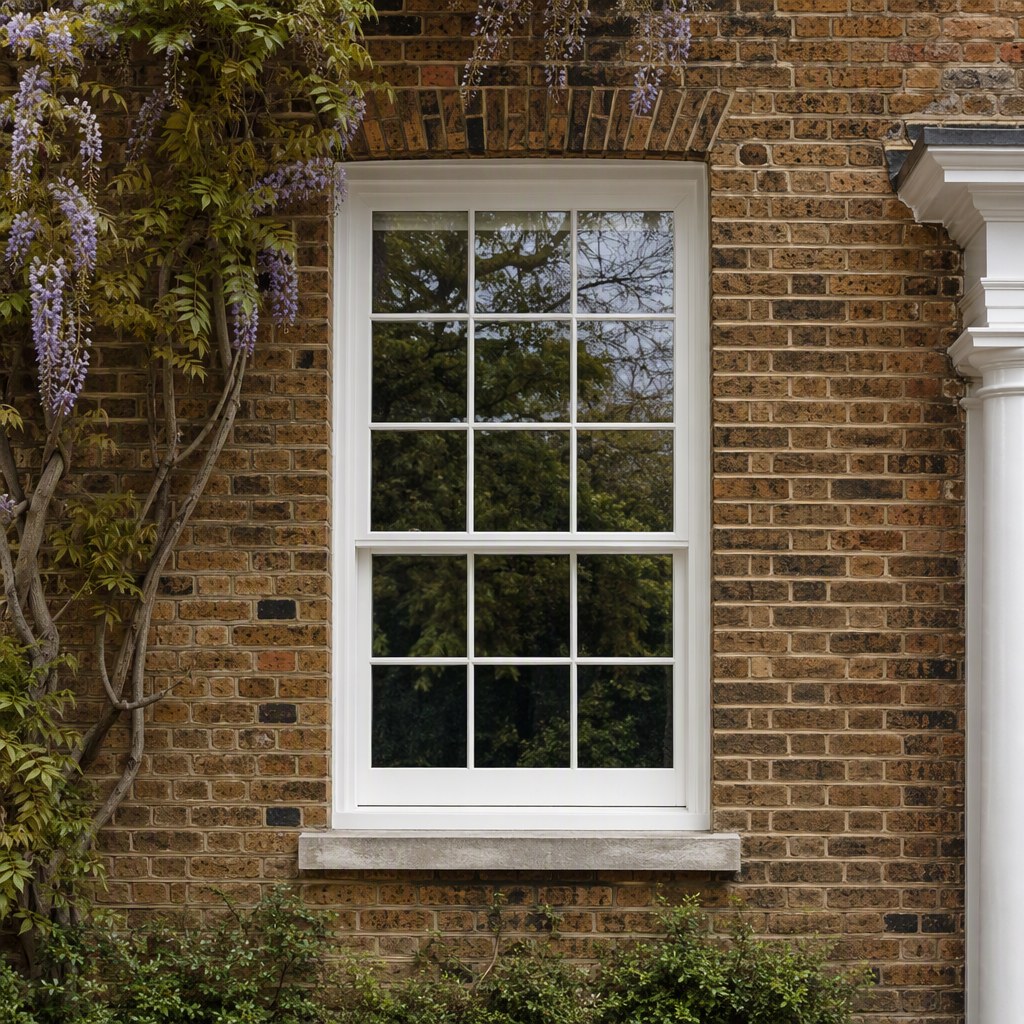
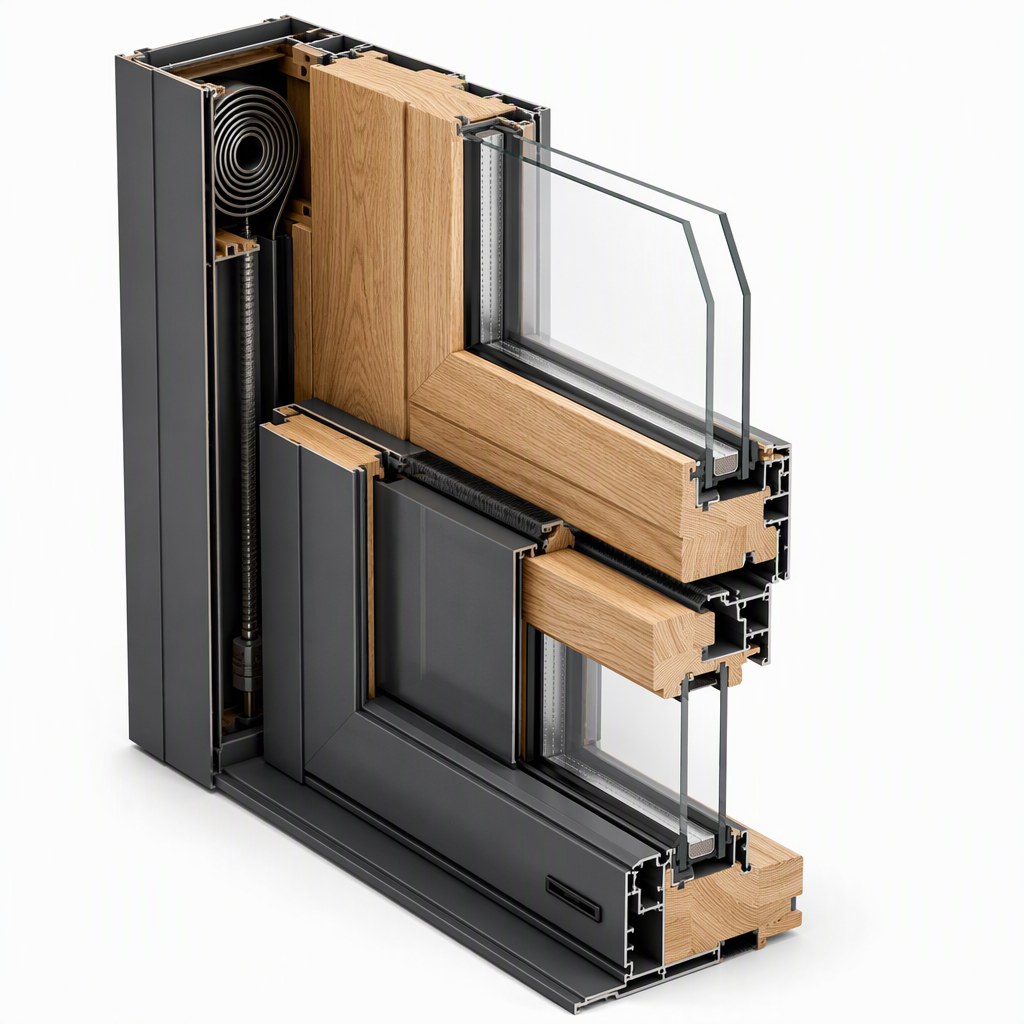
Non-standard openings are the norm in period housing stock, not the exception. Each unit is manufactured to the surveyed opening, so you are not filling an oversized frame with packers and cover trims.
The words a period-property specifier uses, and what we mean by each of them.
Values marked pending are confirmed against the factory's own drawings and test reports before a quotation is issued. We do not publish a figure we cannot evidence.
| Construction & operation | |
|---|---|
| Operation | Vertical sliding (double hung) — single hung and tilt-and-slide options pending factory confirmation |
| Frame depth | Pending factory confirmation |
| Profile wall thickness / alloy | Pending factory confirmation |
| Balance mechanism | Pending factory confirmation |
| Tilt-in cleaning | Pending factory confirmation |
| Maximum sash size | Pending factory confirmation |
| Sash configurations | Pending factory confirmation |
| Timber, aluminium & process | |
| Structure | Solid oak interior, extruded aluminium exterior |
| Timber preparation | 45-day kiln drying, 8–12% moisture |
| Timber finish | 5 coats German water-based lacquer (zero VOC) |
| Thermal break | Pending factory confirmation |
| Hardware | Pending factory confirmation |
| Made to measure | Manufactured to surveyed opening dimensions |
| Supply model | OEM / private label |
| Glazing & heritage detail | |
| Glazing | Pending factory confirmation |
| Low-E / argon fill | Pending factory confirmation |
| Glazing-bar (astragal) options | Pending factory confirmation |
| Sash-horn detail | Pending factory confirmation |
| Performance — test report required | |
| Thermal transmittance (U-value) | Requires test report — not yet available |
| Sound reduction | Requires test report — not yet available |
| Watertightness | Requires test report — not yet available |
| Air permeability | Requires test report — not yet available |
| Wind resistance | Requires test report — not yet available |
| Finish & colour | |
| Colour options | Heritage white · cream · traditional green · oxford blue · any RAL · wood-grain foil |
| Finish | Powder coating · anodised · wood-grain foil |
| Warranty | 2 years |
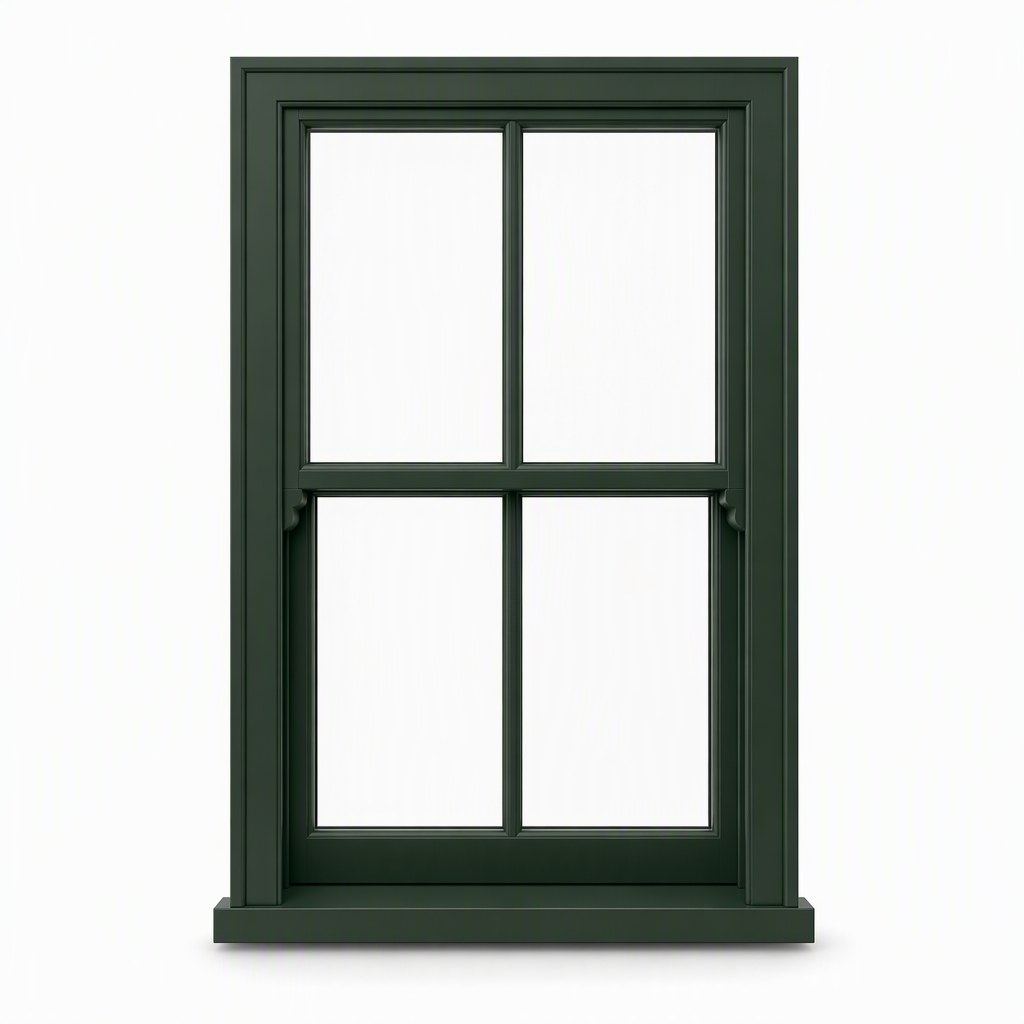
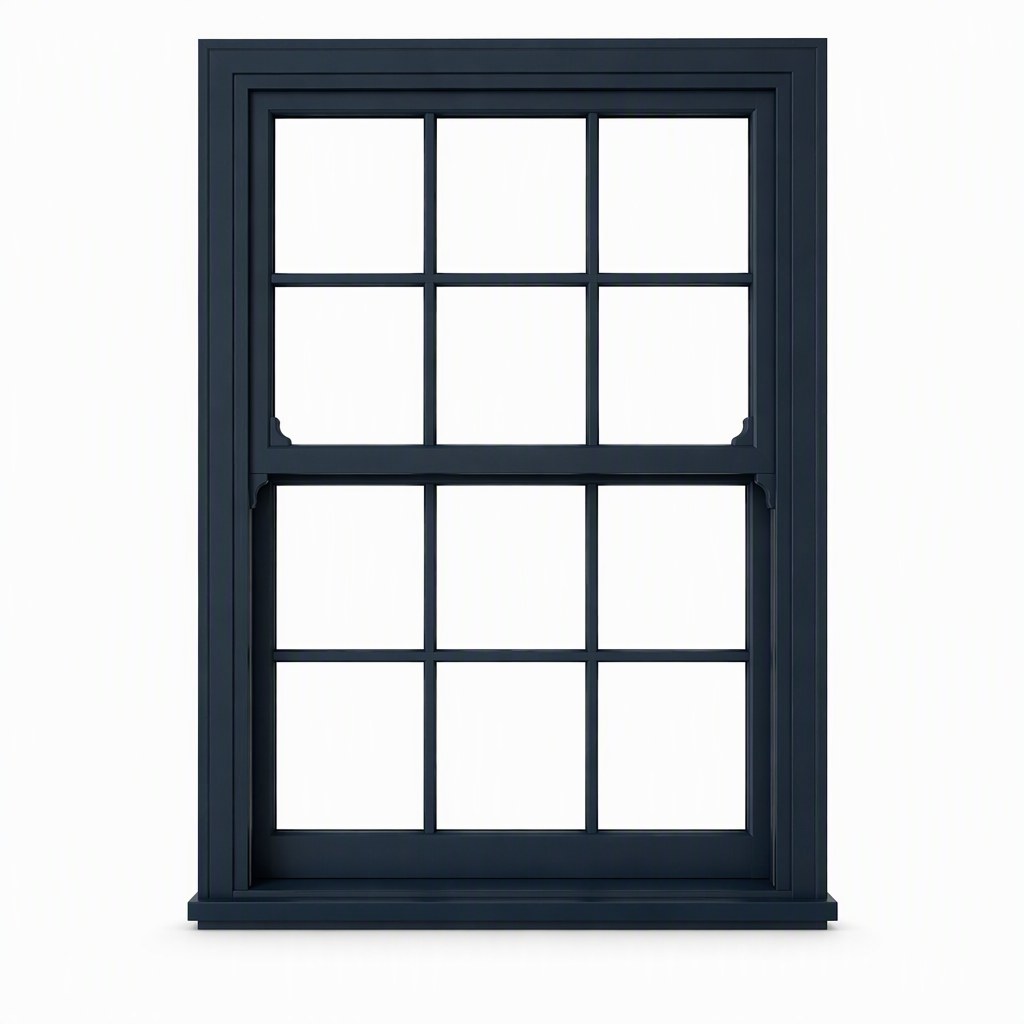
Renders show the finish and the glazing-bar pattern; bar layouts are set on the drawing. Finish availability for this product line is confirmed with the factory before quotation.
Timber sash windows supply only is how most of our UK trade buyers work with us: we build, glaze, finish and pack the units, and your own fitters install them. We are timber sash window manufacturers rather than a merchant or an installer, so there is no second margin between the line and your site.
That suits developers working through a terrace one elevation at a time, fabricators who want a timber-and-aluminium sash they can put their own name on, and heritage projects where the approval, the drawing and the fitting are controlled by you.
All units for this range are manufactured in Yantai, China and shipped to your site or your consolidation point. Our specification and shipping documentation is written for a buyer who is importing, not for a homeowner buying a fitted window.
We supply as the factory, not as a brand. Own-label packaging, own-label documentation and buyer-specified hardware are all normal for us. Production capacity: 120,000 m² per year across a 36,000 m² facility in Yantai, Shandong.
Programme details — drawing review, first-article approval, pilot batch, and the records that travel with the order — are set out on the OEM and contract manufacturing page.
It is a vertical sliding sash window whose visible interior surfaces are solid oak and whose exterior surfaces are extruded aluminium. The two are mechanically fixed to the same frame — the point is that each material does the job it is good at. You get timber for warmth, grain and interior appearance; aluminium for the weather side.
That is a planning decision made by your local authority, not by us, and we will not claim otherwise. What we can do is manufacture to the detailed drawing — meeting-rail height, glazing-bar layout, frame depth and horn detail — so the unit matches the existing elevation as closely as the specification allows. We supply to your drawing; the approval is yours.
The exterior does not. Powder-coated aluminium needs cleaning, not decorating. The interior oak is factory-finished with five coats of German water-based lacquer and needs no routine treatment. We would not describe any window finish as maintenance-free for life — but the sanding, filling and repainting cycle that timber sash windows outside are known for does not apply here.
Each sash is counterbalanced so it stays where you leave it, and both operate independently — which is where the ventilation benefit comes from: open the lower sash for cool air at floor level, or the upper sash to let warm air out at the top.
Yes. These are made-to-measure units, not cut-down stock frames. Send surveyed opening dimensions or a drawing set and we will confirm feasibility and the maximum sash size for your configuration.
Pending factory confirmation. This is a common feature on modern sash windows and we would rather confirm it than assume it.
Yes. We supply as the factory rather than as a brand — own-label packaging, own-label documentation and buyer-specified hardware are all normal for us.
We do not currently claim CE, UKCA, NFRC, ISO or any other third-party certification for this product on this page, and we have deliberately not implied one. Where a test has been carried out, we will state it together with the report; where it has not, we say so. If your project requires specific test evidence, tell us which and we will confirm exactly what can be provided.who is the manufacturer when you buy from China — that article sets out where the responsibility sits on an own-brand import.
We will confirm feasibility, the maximum sash size for your configuration, and a made-to-measure quotation.
Sent straight to our export team — no email client needed.
Prefer the short form? send us your opening sizes through the contact page and we will come back with the questions we need answered. Prefer to talk it through first? Send a photograph of the existing elevation and we will tell you what the specification needs to match.